
We help patients in Keller, TX identify the cause of red, swollen gums and protect their oral health before small warning signs turn into serious dental problems.
Red, swollen gums can be a sign of gum disease, inflammation, or an underlying health condition. Learn what causes red gums, how to treat them, and when to see a dentist.
Red or swollen gums are one of the most common reasons patients mention during dental visits—and one of the most overlooked. Many people assume gum irritation is normal, especially if there’s occasional bleeding while brushing or flossing. In reality, healthy gums should be firm, pink, and comfortable. When gums become red, puffy, or tender, your mouth is signaling that something isn’t right.
At Pickett Family Dental, we focus on helping patients understand what red swollen gums mean, what’s causing them, and how early care can prevent long-term damage to teeth, bone, and overall oral health.
Red Swollen Gums Are Often an Early Warning Sign
Gum tissue reacts quickly to irritation. When bacteria build up along the gumline, the body responds with inflammation. This inflammation shows up as redness, swelling, tenderness, or bleeding. While the symptoms may seem mild at first, they often indicate the early stages of gum disease.
If you’ve noticed that your gums are red, swollen, or feel tender, it’s essential to pay attention. Healthy gums should be pink and firm, so changes in color or texture can indicate that something isn’t quite right. Red and swollen gums, also known as gingival inflammation, are common symptoms of gum issues and can be caused by a variety of factors. Understanding the potential causes and taking action can help you protect your oral health and prevent more serious conditions from developing.
Red, swollen gums are an extremely common symptom of a deeper underlying cause. Most likely, you have gingivitis, gum disease, or even periodontitis. All of these stem from one tiny issue: bacteria and plaque buildup. But, that tiny place where the plaque begins to grow can cause exponentially more damage than its tiny little self belies.
If you’re noticing red, swollen gums, especially after brushing or flossing your teeth, then you should visit your Keller, TX dentist.
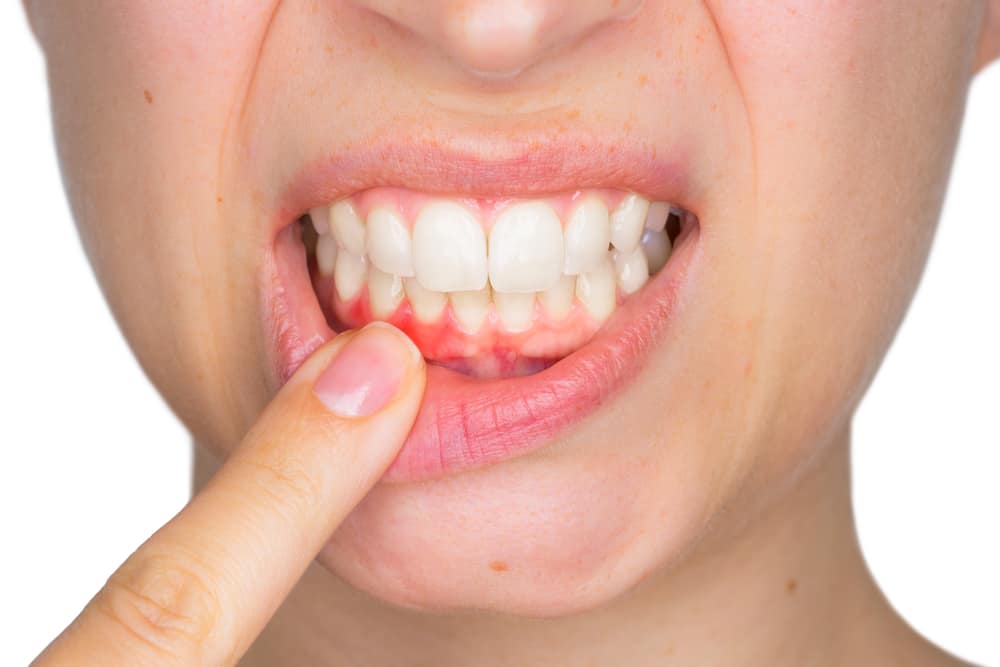
Gums Swollen Between Teeth
Have you noticed that the gums between your teeth seem red, swollen, feel pain, or even bleed? If you’re gums are swollen between the teeth, you, my friend have gingivitis.
Why is the gum between my teeth swollen?
Gingivitis is the darker, more vibrant red color found between swollen, tender gums that tend to bleed when you brush your teeth or bite into something hard such as an apple. It is caused by improper dental hygiene and the build up of bacteria in the mouth that likes to hide between the teeth where it grows and inflames the gum tissue. As it progresses, it can cause painful, bleeding, and even receding gums.
How to treat swollen gums between teeth
In order to treat swollen gums, you need to visit the dentist for a dental cleaning and have the bacteria, plaque, and tartar removed and completely cleaned. Afterwards, you will need to use proper oral healthcare while they heal.
Causes of Red, Swollen Gums
Red and swollen gums often result from plaque buildup around the gumline, but several conditions can contribute to gingival inflammation. Here are some common causes:
- Gingivitis
Gingivitis is the first stage of gum disease and one of the most common causes of red, swollen gums. It’s triggered by plaque—a sticky film of bacteria that forms on teeth. If plaque isn’t removed through daily brushing and flossing, it hardens into tartar, which can irritate the gums and lead to inflammation. Gingivitis can be reversed with proper oral hygiene and professional cleanings, but if left untreated, it can progress to more severe gum disease. - Periodontitis
When gingivitis goes untreated, it can advance to periodontitis, a more serious form of gum disease. Periodontitis not only causes red and swollen gums but also can lead to receding gums, bone loss, and even tooth loss. Periodontitis is a progressive condition that requires professional treatment, often including scaling, root planing, and more intensive gum care. - Hormonal Changes
Hormonal fluctuations, especially during pregnancy, menstruation, or menopause, can lead to pregnancy gingivitis or hormonal gingivitis. These changes make gums more sensitive to plaque, increasing the risk of redness and swelling. Pregnant women, in particular, should maintain regular dental checkups to address any signs of inflammation promptly. - Vitamin Deficiencies
A lack of essential vitamins, especially vitamin C, can impact gum health. Vitamin C is crucial for tissue repair and immune health, and a deficiency can lead to swollen, bleeding gums. Consuming a balanced diet rich in vitamins and minerals is essential to supporting gum health. - Improper Oral Hygiene
Poor brushing or flossing techniques can contribute to red and swollen gums. If you brush too aggressively or skip flossing, plaque can build up, causing irritation and gum inflammation. Using a soft-bristled toothbrush and gentle flossing techniques can help keep gums healthy and prevent redness and swelling.
Symptoms Connected to Red and Swollen Gums
Red and swollen gums are often accompanied by other symptoms that can help identify the underlying cause. If you notice any of the following, it’s time to see your dentist:
- Bleeding gums during brushing or flossing
- Gum tenderness or pain when eating
- Persistent bad breath or a bad taste in the mouth
- Receding gums or teeth that appear longer
- Loose teeth, which may indicate advanced gum disease
These symptoms are often indicative of gum disease or infection, and early intervention is essential for preventing further issues.
Common Causes Behind Red and Swollen Gums
Red swollen gums don’t have a single cause. Several factors may contribute, sometimes working together.
One of the most frequent causes is gingivitis, the earliest form of gum disease. Gingivitis develops when plaque remains along the gumline, triggering inflammation. At this stage, gums may bleed easily but bone damage has not yet occurred.
Hormonal changes can also play a role. Pregnancy, puberty, and menopause can make gums more sensitive to bacteria, increasing redness and swelling even with good oral hygiene.
Certain medications contribute as well. Blood pressure medications, immune suppressants, and some seizure medications can affect gum tissue or saliva levels, making irritation more likely.
Dry mouth is another contributing factor. Saliva helps control bacteria and neutralize acids. When saliva flow is reduced—often due to medications—gum inflammation becomes more common.
When Red Gums Signal a Bigger Problem
If red swollen gums are left untreated, gingivitis can progress into periodontal disease. At this stage, infection spreads below the gumline and begins damaging the bone that supports your teeth.
Symptoms may include persistent swelling, gum recession, bad breath, sensitivity, or teeth that feel loose. Bone loss from periodontal disease is permanent, which is why early detection matters so much.
Many patients don’t realize gum disease is progressing because discomfort is often minimal until advanced stages. Routine dental exams are critical for catching changes before irreversible damage occurs.
Habits That Can Make Gum Inflammation Worse
Daily habits have a major impact on gum health. Inconsistent brushing or flossing allows plaque to accumulate along the gumline. Aggressive brushing, on the other hand, can also irritate gums and cause recession over time.
Smoking and tobacco use significantly increase gum inflammation and reduce the body’s ability to heal. Tobacco can also mask symptoms, making gum disease harder to detect early.
Diet matters as well. Frequent snacking on sugary or acidic foods fuels bacterial growth, increasing irritation around the gums.
How We Evaluate Red Swollen Gums
When a patient comes in with gum concerns, we start with a thorough exam. This includes evaluating gum color, texture, bleeding, pocket depths, and plaque buildup. Digital X-rays may be used to check bone levels around the teeth.
The goal is to determine whether inflammation is limited to the gums or if deeper structures are affected. This allows us to recommend care that addresses the root cause—not just the symptoms.
How Red Swollen Gums Are Managed
Treatment depends on the severity of the inflammation. In early cases, professional dental cleanings combined with improved home care can restore gum health.
For more advanced cases, deeper cleanings may be recommended to remove bacteria beneath the gumline. Ongoing monitoring helps prevent progression and protects bone support around the teeth.
Education plays a major role. Many patients don’t realize how quickly gum health can change or how closely it’s tied to overall health.
What Patients Often Care About Most
Patients frequently ask whether red gums mean they’ll lose their teeth. The reassuring answer is that early-stage gum inflammation is highly manageable when addressed promptly.
Another common concern is bleeding during flossing. Bleeding is not a reason to stop flossing—it’s a sign that gums need more consistent care.
Patients are also relieved to learn that gum disease is not caused by “bad teeth,” but by bacteria and inflammation that can be controlled with the right approach.
The Connection Between Gum Health and Overall Health
Inflamed gums don’t just affect your mouth. Chronic oral inflammation has been linked to conditions such as heart disease, diabetes complications, and immune system stress. Healthy gums support better overall wellness.
Reducing gum inflammation helps lower bacterial load and supports a healthier inflammatory response throughout the body.
If You’re Looking for Answers About Red Swollen Gums in Keller, TX
If you’re looking for answers about red swollen gums, Pickett Family Dental in Keller, TX is here to help you understand what your mouth is telling you. We focus on early detection, clear explanations, and practical care that protects your teeth and gums long term.
Red swollen gums are not something to ignore—but they are something that can often be addressed successfully with timely care. A simple exam can provide clarity, reassurance, and a plan to restore gum health before more serious problems develop.
Listening to early warning signs is one of the smartest steps you can take for your smile—and we’re here to guide you every step of the way.
7 Tips to Prevent Sore, Swollen, and Bleeding Gums
- Brush your teeth at least twice each day.Make sure you follow proper brushing technique. If you’re not sure what to do, ask your dentist or dental hygienist for a quick lesson at your next appointment.
- Floss daily. It doesn’t take more than a few minutes, but flossing may be the most important thing you can do to prevent gum problems now and in the future.
- Rinse with mouthwash daily.An antiseptic mouthwash kills bacteria that cause gum disease.
- Eat a well-balanced diet. A balanced diet, including plenty of vitamin C and calcium, may minimize the likelihood you’ll have gum problems.
- Drink plenty of water.Drinking water, especially after eating, can help wash food off your teeth and make it less likely that bacteria will form gum-damaging plaque.
- Say no to tobacco. If you smoke cigarettes or use other tobacco products, try to quit.
- Be cautious about extremely hot or cold foods and drinks.When you have gum problems, you may find you’re more comfortable having lukewarm or cool foods and beverages.
- Relax. Being stressed out raises levels of the stress hormone cortisol, increasing the likelihood of inflammation throughout your body, including in your gums.
Treatment Options for Red, Swollen Gums
The treatment for red and swollen gums depends on the underlying cause, but here are some standard approaches that can help alleviate inflammation and promote gum health.
- Professional Dental Cleanings
Regular cleanings are essential to removing plaque and tartar that daily brushing can’t reach. For patients with gum disease, a procedure called scaling and root planing may be recommended to clean beneath the gumline and smooth out the tooth roots, which helps gums reattach and heal. - Improved Oral Hygiene
Consistent brushing and flossing are the foundation of good gum health. Brush at least twice a day with a soft-bristled toothbrush, and floss daily to remove plaque between teeth. For added protection, use an antimicrobial mouthwash to reduce bacteria that contribute to inflammation. - Dietary Adjustments
A balanced diet rich in vitamin C and other essential nutrients can support gum health and reduce inflammation. Fresh fruits and vegetables, whole grains, and lean proteins provide the nutrients necessary for tissue repair and immune support. - Medication or Special Mouthwashes
In cases of gum disease or bacterial infections, your dentist may prescribe antibiotic mouthwash or oral medications to help reduce infection. These treatments work to reduce bacteria levels in the mouth, easing inflammation and promoting healthier gums. - Regular Dental Exams
Scheduling dental exams every six months allows your dentist to monitor gum health, identify any early signs of gingivitis, and recommend treatments as needed. Routine checkups are especially important for patients with a history of gum issues, as they help prevent recurrence.
When it comes to maintaining healthy gums, consistency in oral hygiene and regular visits to Pickett Family Dental can make all the difference.
If you’re dealing with red, swollen gums or any other gum issues, Pickett Family Dental in Keller, TX, is here to help. Our team is dedicated to providing effective treatments and guidance for maintaining healthy gums and a confident smile. Schedule an appointment with us today to address any gum concerns and enjoy the benefits of a healthy mouth.
Gums Swollen Between Teeth
Have you noticed that the gums between your teeth seem red, swollen, feel pain, or even bleed? If you’re gums are swollen between the teeth, you, my friend have gingivitis.
Why is the gum between my teeth swollen?
Gingivitis is the darker, more vibrant red color found between swollen, tender gums that tend to bleed when you brush your teeth or bite into something hard such as an apple. It is caused by improper dental hygiene and the build up of bacteria in the mouth that likes to hide between the teeth where it grows and inflames the gum tissue. As it progresses, it can cause painful, bleeding, and even receding gums.
How to treat swollen gums between teeth
In order to treat swollen gums, you need to visit the dentist for a dental cleaning and have the bacteria, plaque, and tartar removed and completely cleaned. Afterwards, you will need to use proper oral healthcare while they heal.
Causes of Red, Swollen Gums
Red and swollen gums often result from plaque buildup around the gumline, but several conditions can contribute to gingival inflammation. Here are some common causes:
- Gingivitis
Gingivitis is the first stage of gum disease and one of the most common causes of red, swollen gums. It’s triggered by plaque—a sticky film of bacteria that forms on teeth. If plaque isn’t removed through daily brushing and flossing, it hardens into tartar, which can irritate the gums and lead to inflammation. Gingivitis can be reversed with proper oral hygiene and professional cleanings, but if left untreated, it can progress to more severe gum disease. - Periodontitis
When gingivitis goes untreated, it can advance to periodontitis, a more serious form of gum disease. Periodontitis not only causes red and swollen gums but also can lead to receding gums, bone loss, and even tooth loss. Periodontitis is a progressive condition that requires professional treatment, often including scaling, root planing, and more intensive gum care. - Hormonal Changes
Hormonal fluctuations, especially during pregnancy, menstruation, or menopause, can lead to pregnancy gingivitis or hormonal gingivitis. These changes make gums more sensitive to plaque, increasing the risk of redness and swelling. Pregnant women, in particular, should maintain regular dental checkups to address any signs of inflammation promptly. - Vitamin Deficiencies
A lack of essential vitamins, especially vitamin C, can impact gum health. Vitamin C is crucial for tissue repair and immune health, and a deficiency can lead to swollen, bleeding gums. Consuming a balanced diet rich in vitamins and minerals is essential to supporting gum health. - Improper Oral Hygiene
Poor brushing or flossing techniques can contribute to red and swollen gums. If you brush too aggressively or skip flossing, plaque can build up, causing irritation and gum inflammation. Using a soft-bristled toothbrush and gentle flossing techniques can help keep gums healthy and prevent redness and swelling.
Symptoms Connected to Red and Swollen Gums
Red and swollen gums are often accompanied by other symptoms that can help identify the underlying cause. If you notice any of the following, it’s time to see your dentist:
- Bleeding gums during brushing or flossing
- Gum tenderness or pain when eating
- Persistent bad breath or a bad taste in the mouth
- Receding gums or teeth that appear longer
- Loose teeth, which may indicate advanced gum disease
These symptoms are often indicative of gum disease or infection, and early intervention is essential for preventing further issues.