
We provide comprehensive cavity treatment and root canal therapy in Keller, TX to relieve pain, stop infection, and protect your natural teeth with modern, comfortable care. If you’ve ever been told you have a cavity—or that you might need a root canal—you may have wondered what the difference actually is. Many patients assume they are the same thing, but they are very different stages of tooth damage. Understanding how tooth decay progresses can help you seek treatment early and avoid more complex procedures. Here’s what you need to know about cavities, root canals, and how they’re connected.
What Is a Cavity? Early Tooth Decay Explained
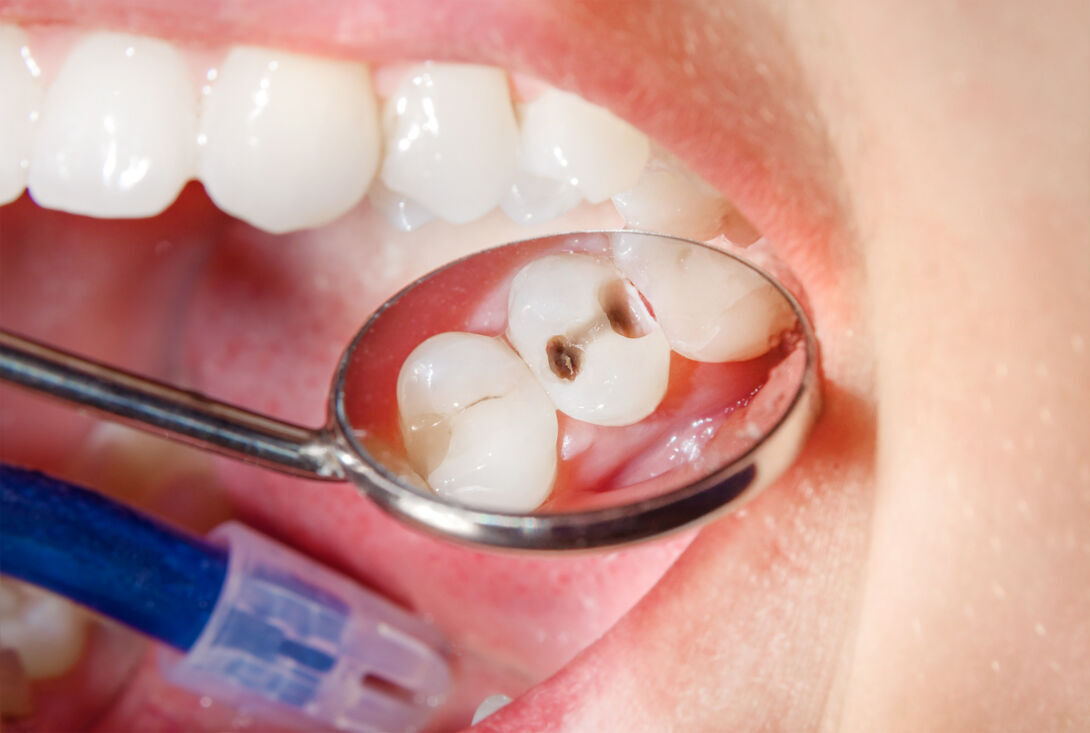
A cavity is a small area of tooth decay caused by bacteria that produce acid and erode enamel. When plaque builds up on your teeth and isn’t removed through brushing and flossing, bacteria feed on sugars and release acids that slowly break down the enamel surface. Over time, this creates a hole or soft spot in the tooth structure. Cavities often begin without pain, which is why regular dental exams and digital X-rays are essential for early detection. If caught early, a cavity can usually be treated quickly and comfortably with a tooth-colored dental filling that restores strength and prevents further damage.
What Is a Root Canal? Treating Deep Tooth Infection
A root canal is not the problem—it’s the solution to a much deeper issue. When tooth decay is left untreated, bacteria can spread beyond the enamel and dentin into the pulp, the inner part of the tooth that contains nerves and blood vessels. Once the pulp becomes infected or inflamed, it can cause severe tooth pain, swelling, and sensitivity. Root canal therapy removes the infected pulp, disinfects the inner canals, and seals the tooth to prevent reinfection. In most cases, a dental crown is placed afterward to restore the tooth’s strength and function. Modern root canal treatment is designed to relieve pain, not cause it, and is performed with advanced anesthesia techniques for comfort.
Key Differences Between a Cavity and a Root Canal
While both involve tooth decay, the severity and treatment approach differ significantly. A cavity is an early stage of decay affecting the outer layers of the tooth. A root canal is required when decay progresses deep enough to infect the pulp. Here are the primary differences:
-
A cavity affects enamel and sometimes dentin; a root canal treats infected pulp tissue.
-
Cavities are treated with fillings; root canals require cleaning and sealing internal canals.
-
Cavities often cause mild or no symptoms early on; root infections typically cause significant pain or swelling.
-
Treating a cavity is quicker and less complex than undergoing root canal therapy.
Catching decay early prevents it from advancing to the point where root canal treatment becomes necessary.
Signs You Have a Cavity vs. Signs You Need a Root Canal
Recognizing symptoms can help you understand the urgency of treatment. Cavities may cause mild tooth sensitivity, discomfort when eating sweets, or visible dark spots on the enamel. In many cases, they are discovered during routine dental checkups before you notice symptoms. Root canal symptoms are typically more intense. Warning signs of a possible infected tooth pulp include persistent throbbing pain, sensitivity to hot or cold that lingers, swelling around the gums, pain when biting, or a pimple-like bump on the gum that indicates an abscess. If you experience these symptoms, it’s important to schedule a dental appointment promptly to prevent further complications.
Can a Cavity Turn Into a Root Canal?
Yes, untreated cavities are the most common reason patients eventually need root canal therapy. Tooth decay does not stop on its own. As bacteria continue to penetrate deeper layers of the tooth, they eventually reach the pulp chamber. At that point, a simple filling is no longer enough to fix the problem. Early intervention is key. Routine dental exams every six months allow your dentist to detect small cavities before they progress. Preventive care such as fluoride treatments, dental sealants, and consistent oral hygiene significantly reduces your risk of needing advanced procedures in the future.
How to Prevent Cavities and Avoid Root Canal Treatment
Preventive dentistry is the best defense against both cavities and root canal therapy. Brushing twice daily with fluoride toothpaste, flossing once a day, and limiting sugary foods and drinks reduce plaque buildup and enamel erosion. Drinking water throughout the day helps rinse away bacteria and food particles. Professional dental cleanings remove hardened tartar that brushing alone cannot eliminate. Patients who are prone to cavities may benefit from additional fluoride applications or antimicrobial rinses. By staying consistent with preventive dental care, you dramatically lower your risk of developing deep infections that require root canal treatment.
Get the Help You Need for Cavities or Root Canal Treatment in Keller, TX
Get the help you need to protect your smile with expert cavity treatment and root canal therapy at Pickett Family Dental in Keller, TX. Whether you have a small cavity that needs a simple filling or symptoms of a deeper infection, our experienced team provides personalized care focused on comfort and long-term oral health. Early diagnosis and treatment can save your natural tooth and prevent more complex procedures. If you’re experiencing tooth pain or it’s been a while since your last dental exam, schedule an appointment today. We’ll evaluate your teeth, explain your options clearly, and help you maintain a healthy, pain-free smile for years to come.