Haven’t been to the dentist in years and worried about what comes next? Pickett Family Dental helps patients in Keller rebuild oral health with compassionate exams, cleanings, restorative dentistry, and personalized treatment plans.
If you haven’t been to the dentist in years, you are not alone—and you should not feel embarrassed. Many people delay dental visits because of anxiety, busy schedules, cost concerns, past experiences, or simply not noticing symptoms. The good news is that your first visit back can be calm, informative, and focused on helping you understand your options. At Pickett Family Dental in Keller, Dr. Tyson Pickett, DDS FAGD, DDS, FAGD, and our team help patients take the next step with comfortable care, advanced technology, and a no-pressure approach.
What happens at a dental checkup after years away?
A dental visit after a long break usually starts with a conversation. Your dentist will ask about your dental history, medical history, medications, current concerns, and any discomfort you may be having. This helps create a complete picture of your oral health and allows your care team to make recommendations that fit your needs.
Your appointment may include digital X-rays, a comprehensive exam, gum measurements, an oral cancer screening, and an evaluation of your teeth, bite, jaw joints, and existing dental work. These steps help identify tooth decay, gum disease, cracked teeth, bone loss, infection, worn fillings, or other issues that may not be visible or painful yet.
If it has been several years since your last cleaning, your hygienist may recommend a standard cleaning or a deeper gum therapy visit depending on the amount of plaque and tartar buildup. The goal is not to judge your past habits—it is to give you clear information and help you move forward with better oral health.
Common dental problems after skipping routine cleanings
When regular exams and dental cleanings are missed, plaque can harden into tartar, which cannot be removed with brushing and flossing alone. Tartar buildup often contributes to gum inflammation, bleeding, bad breath, and eventual gum disease. Even patients who brush daily can develop problem areas that need professional care.
Tooth decay is also common after years without dental exams. Cavities may start small, but over time they can spread into deeper layers of the tooth. Once decay reaches the nerve, a patient may develop sensitivity, toothache, swelling, or infection. Early treatment with tooth-colored fillings is usually simpler than waiting until a tooth needs a crown, root canal, or extraction.
Older dental work may also need attention. Fillings, crowns, bridges, and dentures can wear down or loosen over time. A complete exam helps determine whether restorations are still functioning properly or if they need repair or replacement.
Warning signs you should not ignore
Dental problems do not always cause pain right away. That is one reason regular exams are so important. A tooth can have decay, a crack, infection, or gum disease long before symptoms become obvious.
Watch for signs such as:
- Bleeding gums when brushing or flossing
- Persistent bad breath or a bad taste
- Tooth sensitivity to cold, heat, or sweets
- Pain when chewing
- Loose teeth or shifting teeth
- Swollen gums, jaw swelling, or facial swelling
- Receding gums or teeth that look longer
- Broken, chipped, or worn-down teeth
- Sores that do not heal
- Clicking, popping, or jaw discomfort
If you notice swelling, severe pain, or signs of infection, you may need emergency dental care. Dental infections can affect your ability to eat, sleep, work, and feel well. Prompt evaluation helps prevent more complicated treatment later.
What can happen if dental issues are left untreated?
Ignoring dental problems often allows them to progress. A small cavity can become a larger cavity. A large cavity can weaken the tooth structure. A weakened tooth may crack, become infected, or need removal. Treating issues early usually gives patients more conservative options and better long-term outcomes.
Gum disease can also worsen over time. Early gum inflammation, known as gingivitis, is often reversible with professional cleaning and improved home care. More advanced gum disease can damage the bone and tissues that support the teeth. Without care, this may lead to gum recession, loose teeth, and tooth loss.
Oral health is connected to overall health and quality of life. Dental discomfort can affect nutrition, sleep, confidence, speech, and daily comfort. Regular dental visits are an important part of taking care of your whole body, not just your teeth.
Treatment options if you need restorative dental care
If your exam shows cavities, damaged teeth, missing teeth, or gum concerns, your dentist will explain your options clearly. At Pickett Family Dental, treatment planning is personalized, so recommendations are based on your health, goals, timeline, and budget.
For cavities, tooth-colored fillings can restore damaged areas while blending naturally with your smile. For larger areas of damage, same-day dental crowns may be recommended. Same-day crown technology allows many patients to receive a custom crown in one visit, reducing the need for multiple appointments and temporary crowns.
If teeth are missing or cannot be saved, replacement options may include dental implants, bridges, partial dentures, or full dentures. Dental implants are a popular option because they replace both function and appearance, helping patients chew more comfortably, support facial structure, and restore confidence in their smile. For patients with multiple concerns, restorative dentistry and smile reconstruction may combine several treatments into a phased plan.
Cosmetic dentistry after years without dental visits
Some patients return to the dentist because they want a healthier-looking smile. Before starting cosmetic treatment, it is important to make sure the teeth and gums are healthy. A strong foundation supports better, longer-lasting results.
Cosmetic dentistry may include professional teeth whitening, veneers, bonding, crowns, or a combination of services. Whitening can brighten natural teeth, while veneers may address concerns such as discoloration, minor gaps, worn edges, or uneven tooth shape. Crowns can improve both appearance and strength when teeth are cracked, heavily filled, or weakened.
At Pickett Family Dental, cosmetic care is not only about appearance. A well-planned smile improvement should support comfortable chewing, healthy gums, proper function, and long-term oral health. Patients receive honest guidance about what is realistic and appropriate for their specific situation.
How to protect your teeth after getting back on track
Once you restart care, prevention becomes the key to avoiding bigger dental problems. Preventative dentistry focuses on early detection, professional cleanings, and education so small concerns can be addressed before they become more complicated.
Good long-term habits include brushing twice daily with fluoride toothpaste, flossing once daily, drinking plenty of water, and limiting frequent sugary snacks or acidic drinks. If you grind your teeth, a nightguard may help protect enamel and dental restorations. If you have dry mouth, your dentist can recommend strategies to reduce cavity risk.
Most patients benefit from dental exams and cleanings every six months, though some people with gum disease or higher risk factors may need more frequent visits. Consistent care helps your dentist monitor changes, maintain previous treatment, and support your oral health over time.
What patients care about most before returning to the dentist
It is natural to wonder whether the visit will be uncomfortable, how much treatment you might need, what it may cost, and how long the process will take. A good family dentist will answer these questions clearly and help you prioritize care. You should feel informed, not pressured.
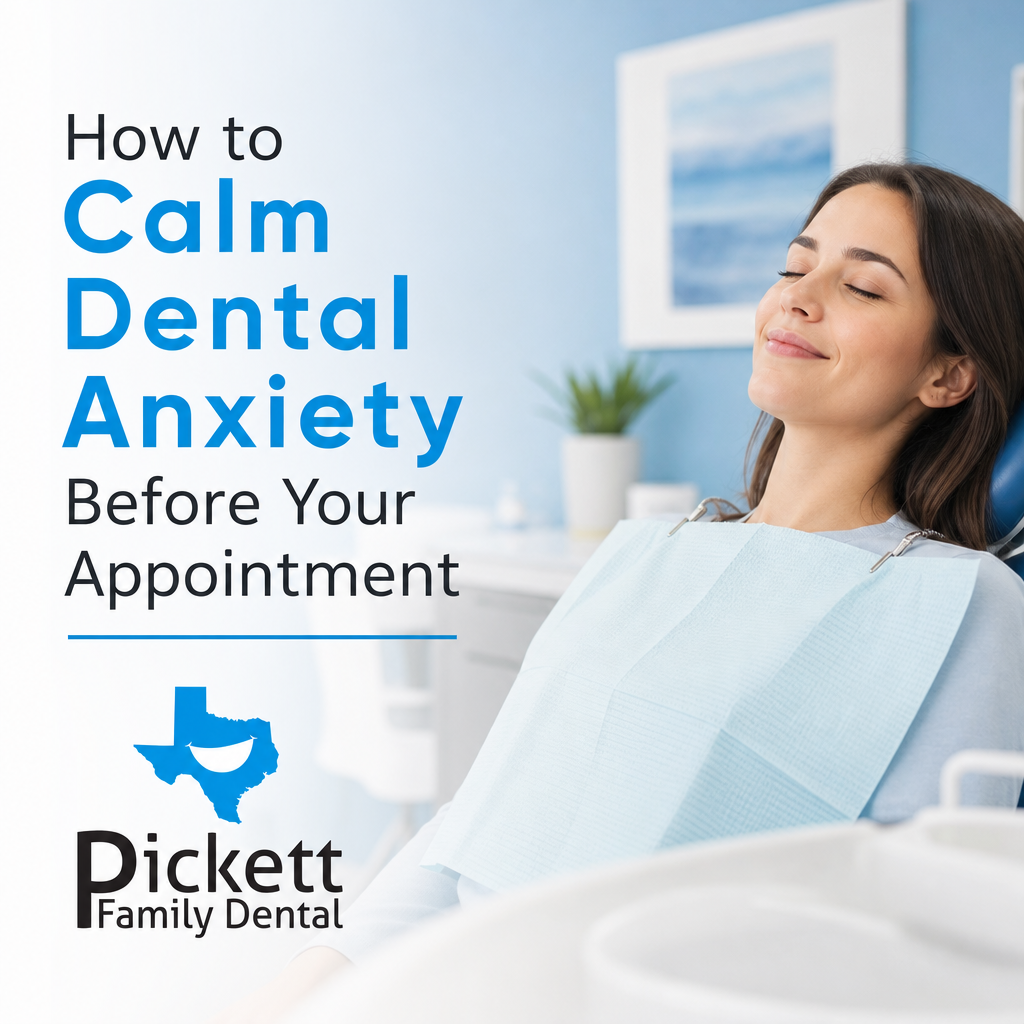
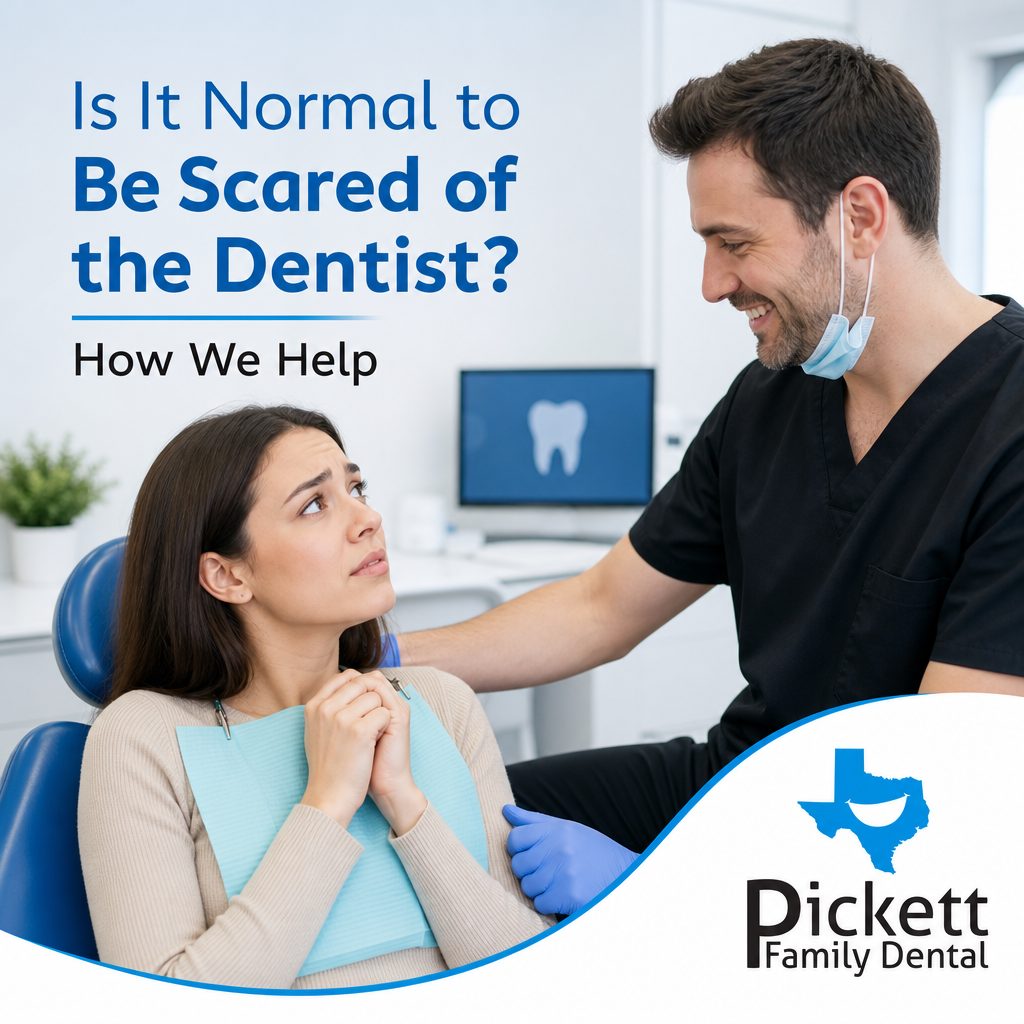
Comfort matters, especially if you have dental anxiety. At Pickett Family Dental, patients can expect a welcoming environment, gentle communication, and time to ask questions. Your care team can explain each step before treatment begins and discuss ways to help you feel more relaxed during your appointment.
Cost and longevity are also important. Some dental problems can be treated in phases, beginning with urgent needs and moving toward long-term goals. Recovery depends on the treatment provided. A filling may have little downtime, while a dental implant or extraction may require healing time. Choosing a trusted Keller family dentist with advanced training, modern technology, and comprehensive treatment planning can help you make confident decisions about your care. Dr. Pickett’s Fellow of the Academy of General Dentistry designation reflects a strong commitment to continuing education and clinical excellence.
If you’re looking for a dentist after years without care
If you’re looking for a compassionate dentist after years without care, Pickett Family Dental is here to help you take the next step with confidence. Whether you need a routine exam, deep cleaning, fillings, same-day crowns, veneers, dentures, dental implants, or emergency care, our team will meet you where you are and create a plan that fits your needs.
Led by Dr. Tyson Pickett, DDS FAGD, DDS, FAGD, Pickett Family Dental serves patients of all ages in Keller, Southlake, North Richland Hills, Colleyville, Trophy Club, Roanoke, Fort Worth, and surrounding DFW communities. Schedule an appointment today and start rebuilding a healthier, more confident smile with personalized care you can trust.