We help patients in Keller, TX identify the cause of bleeding gums and provide personalized treatment to restore healthy gum tissue and protect long-term oral health. If you’ve noticed pink in the sink when brushing or flossing, it’s not something to ignore. While occasional irritation can happen, consistent bleeding gums are often a sign that your mouth needs attention.
Healthy gums should not bleed regularly, and when they do, it usually points to inflammation, infection, or improper oral hygiene habits. The good news is that in most cases, bleeding gums are treatable and reversible with the right care and professional guidance. Below, we break down the most common causes and what you can do to stop it.
Bleeding Gums and Early Gum Disease (Gingivitis)
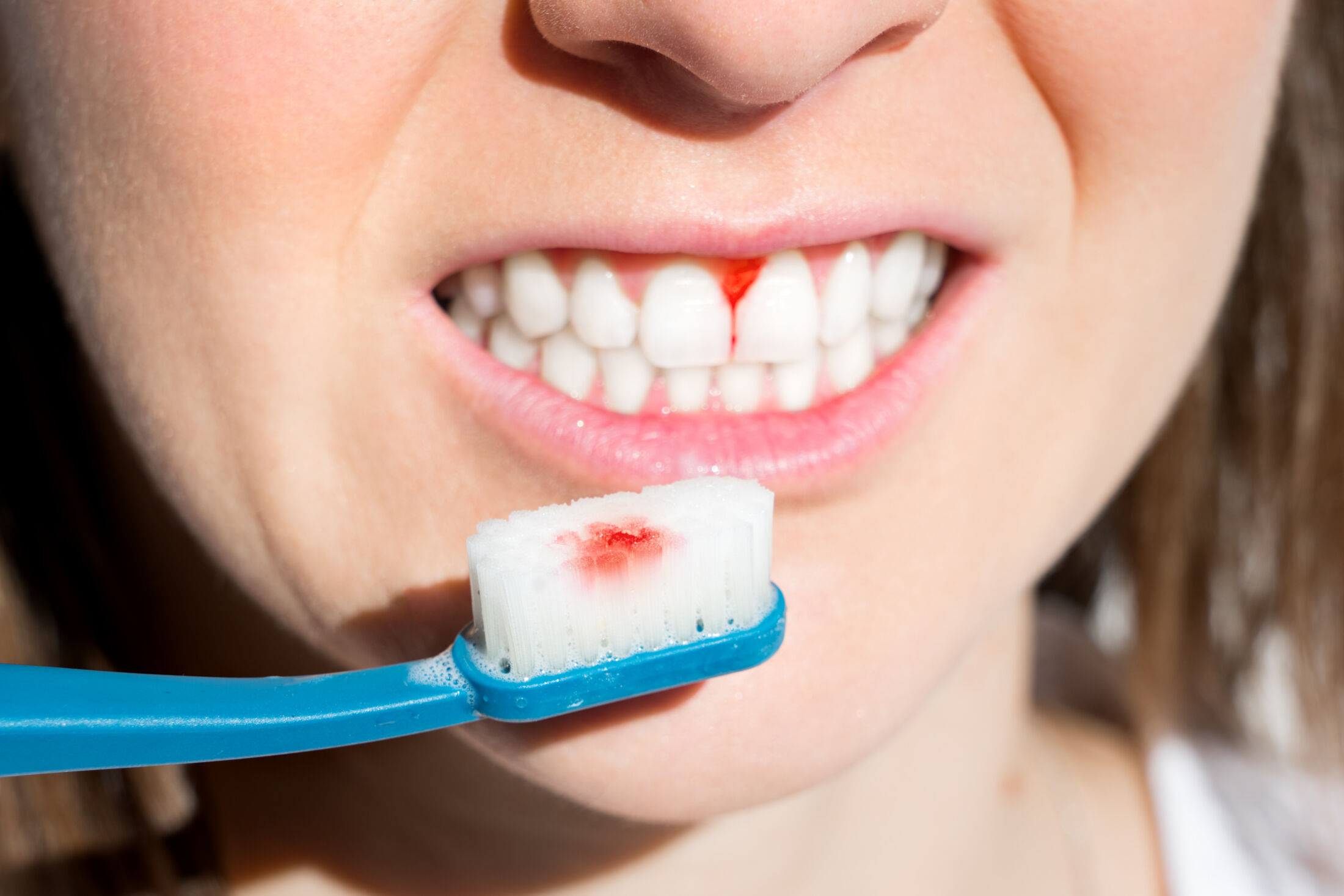
The most common reason for bleeding gums is gingivitis, the earliest stage of gum disease. Gingivitis develops when plaque—a sticky film of bacteria—builds up along the gumline. If plaque isn’t removed daily, it hardens into tartar, which irritates gum tissue and triggers inflammation. Signs of gingivitis include red, swollen, tender gums that bleed during brushing or flossing.
The good news is that gingivitis is reversible. Professional dental cleanings remove tartar buildup that you can’t eliminate at home, and improved daily brushing and flossing allow the gums to heal.
Left untreated, however, gingivitis can progress to periodontitis, a more serious form of gum disease that may lead to gum recession and tooth loss.
Improper Brushing and Flossing Techniques
Sometimes bleeding gums are caused by brushing too aggressively or using a toothbrush with hard bristles. Scrubbing forcefully can damage delicate gum tissue and lead to irritation. On the other hand, not flossing regularly can allow bacteria to accumulate between teeth, causing inflammation when you finally do floss. Switching to a soft-bristled toothbrush, brushing with gentle circular motions, and flossing daily with proper technique can significantly reduce bleeding. If you’re unsure about your technique, your dental hygienist can demonstrate the most effective way to clean your teeth without harming your gums.
Plaque Buildup and Tartar Accumulation
Even if you brush twice a day, plaque can still build up in hard-to-reach areas. Over time, it hardens into tartar, which can only be removed with professional dental tools. Tartar traps bacteria along the gumline, increasing inflammation and bleeding. Regular dental exams and professional cleanings every six months are essential for preventing buildup and maintaining gum health. Patients with a history of gum disease may need more frequent periodontal maintenance visits to keep inflammation under control.
Hormonal Changes and Bleeding Gums
Hormonal fluctuations during pregnancy, puberty, or menopause can make gums more sensitive and prone to bleeding. Increased hormone levels can exaggerate the body’s response to plaque, even if oral hygiene habits haven’t changed. Pregnancy gingivitis, for example, is very common and requires close monitoring to prevent progression. Maintaining consistent brushing and flossing routines and scheduling regular dental visits during these life stages can help manage symptoms and protect your gums.
Medical Conditions and Medications
Certain medical conditions, such as diabetes, can increase the risk of gum inflammation and bleeding. Additionally, blood-thinning medications may make gums bleed more easily. Vitamin deficiencies—particularly vitamin C and vitamin K—can also contribute to gum issues. If bleeding persists despite good oral hygiene, it’s important to discuss your medical history with your dentist. Identifying underlying health factors allows for a more comprehensive treatment approach.
Signs You Should See a Dentist for Bleeding Gums
Occasional mild bleeding may improve with better oral care, but certain symptoms require professional evaluation. You should schedule an appointment if you notice persistent bleeding, gum swelling, gum recession, loose teeth, chronic bad breath, or pain when chewing. These can indicate advanced gum disease that requires targeted periodontal treatment. Early intervention prevents permanent damage to the bone and tissues that support your teeth.
How to Stop Bleeding Gums and Restore Healthy Gums
Stopping bleeding gums starts with improving your daily oral hygiene routine. Brush twice daily using a soft-bristled toothbrush and fluoride toothpaste. Floss once a day to remove bacteria between teeth. Consider using an antimicrobial mouth rinse recommended by your dentist to reduce plaque buildup. Stay hydrated to support saliva production, which naturally helps wash away bacteria. Most importantly, schedule regular dental cleanings and exams to remove tartar and monitor gum health. For patients with gingivitis or early periodontitis, deep cleaning procedures such as scaling and root planing may be recommended to thoroughly clean below the gumline and allow tissues to heal.
The Connection Between Gum Health and Overall Health
Bleeding gums are not just a dental issue—they can impact overall health. Research has shown links between gum disease and systemic conditions such as heart disease, diabetes, and respiratory infections. Inflammation in the gums can allow bacteria to enter the bloodstream, affecting other parts of the body. By treating gum disease early and maintaining consistent preventive care, you support both your oral and overall well-being.
Get the Help You Need for Bleeding Gums in Keller, TX
Get the help you need to stop bleeding gums and restore your oral health with expert care at Pickett Family Dental in Keller, TX. Our experienced team provides comprehensive gum evaluations, professional cleanings, and personalized treatment plans designed to eliminate inflammation and prevent future problems. Whether your symptoms are mild or more advanced, we’ll identify the cause and guide you toward healthier gums with compassionate, effective care. Don’t ignore the warning signs your body is giving you. Schedule your dental exam today and take the first step toward stronger gums, fresher breath, and a healthier smile that lasts.